


Technical Support
We provide technical support and training from machine installation to operation. Our experienced engineers will support you and provide training on machine operation and maintenance.
Ensuring Safety and Efficiency
Introduction Elevators play a crucial role in modern infrastructure, ensuring seamless vertical transportation in buildings of all sizes. However, to maintain optimal performance and ensure passenger safety, reliable technical support is essential. Technical support for elevators encompasses regular maintenance, troubleshooting, and emergency repair services to minimize downtime and enhance operational efficiency.
Preventive Maintenance
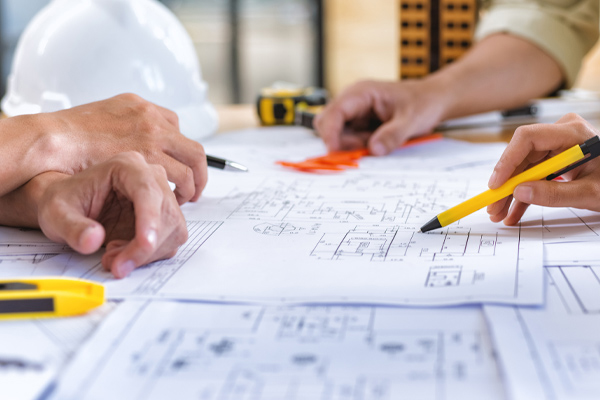
Preventive maintenance is the key to extending the lifespan of an elevator system and avoiding costly breakdowns. Scheduled inspections and servicing help identify potential issues before they escalate. Key aspects of preventive maintenance include:
- Lubrication and Cleaning: Regularly lubricating moving parts and cleaning critical components to reduce wear and tear.
- Safety Inspections: Checking safety mechanisms such as brakes, emergency stop systems, and door sensors to ensure compliance with safety regulations.
- Software Updates: Keeping the elevator control system up to date to enhance performance and security.
Troubleshooting and Diagnostics
Troubleshooting and Diagnostics Technical support teams use advanced diagnostic tools to quickly identify and resolve issues. Common problems include:
- Malfunctioning Doors: Doors that fail to open or close properly due to sensor failures or mechanical obstructions.
- Inconsistent Leveling: Elevators not aligning correctly with floors, posing a safety risk to passengers.
- Power Failures: Unexpected power interruptions affecting elevator operation, requiring immediate attention.
Emergency Repair Services
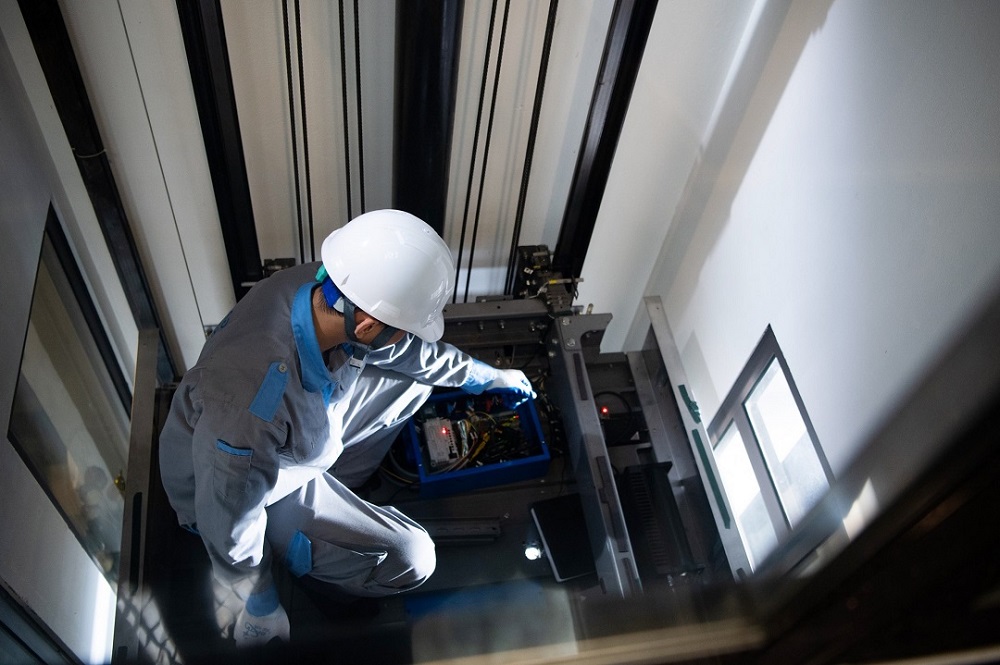
Despite preventive measures, emergencies can still occur. Rapid response teams are essential to minimize disruptions and ensure passenger safety. Emergency services include:
- 24/7 Support: Round-the-clock assistance for urgent repairs and technical issues.
- Remote Monitoring: Advanced elevator systems can be monitored remotely to detect anomalies in real time, allowing for faster intervention.
- On-Site Repairs: Skilled technicians equipped with specialized tools and replacement parts to conduct on-the-spot repairs.
Upgrades and Modernization
As elevator technology evolves, upgrading older systems is crucial to improving energy efficiency, safety, and user experience. Common upgrades include:
- Energy-Efficient Motors: Reducing power consumption and operating costs.
- Smart Controls: Implementing touchless panels and AI-driven traffic management for enhanced efficiency.
- Enhanced Security Features: Installing biometric access control and surveillance systems for added safety.
Conclusion
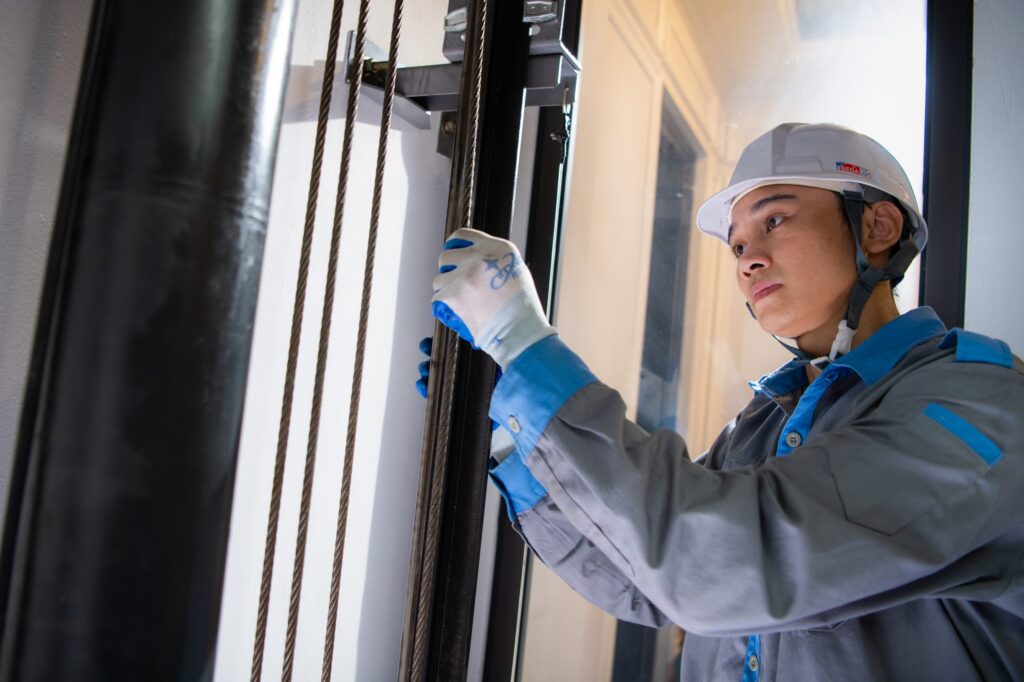
Technical support for elevators is vital in ensuring their reliable and safe operation. A well-maintained elevator not only provides smooth and efficient service but also enhances the overall safety and comfort of passengers. Investing in professional technical support helps reduce downtime, extend the lifespan of the equipment, and comply with industry regulations. With advancements in technology, modern elevators can benefit from predictive maintenance, smart monitoring, and energy-efficient upgrades, making them more sustainable and reliable for the future.